.png)

LEASH REACTIVE DOGS
- T.L.C Dog Training

- Jan 3, 2021
- 2 min read
Here are 3 BIG MISTAKES I SEE WHEN PEOPLE WALK DOGS THAT ARE LEASH REACTIVE.
1. The owner anticipates that their dog is going to react even before the dog has shown any sign of reacting which in turn makes the handler tense, worried and anxious. All these emotions are being fed down the leash to your dog which conveys a message to your dog that something is wrong, even though he doesn't know what that might be. If you are anxious taking your dog for a walk, then practise before you leave the house, being confident. Knowing your body language is just as important as understanding your dogs. When you are walking, made sure you are standing erect, not slumped or slouched over. Keep a positive attitude, don't anticipate problems before you even see any. Go out with the expectation that you are going to have a wonderful, hassle free, positive walk. Your dog will feel that confidence down his leash and react accordingly.
2. Once the handler or the dog has decided their is a problem or there is going to be a problem, the handler puts tension on the lead and shortens it up. So once again, if the handler has anticipated a problem that the dog is unaware of, as soon as the leash is tensed or shortened the dog wonders "what's going on". Especially if he has been given a long loose leash and allowed to do what he whats up until this time. Or if the dog has sensed another dog and the owner is shortening the leash, the dog then decides that because of the change in leash pressure, something is up and starts to look for trouble.
It is a good idea to practice letting your dog have a long leash and then pulling him into a heel off and on as you go. When you teach your dog to heel, you are teaching him to focus on you, obedience, which is to walk with you not ahead of you and structure. If he gets used to being put into a heel every 10 minutes or so for a couple of minutes, then if you do need to get him back to you because you can see a dog approaching, your dog won't think twice about it.
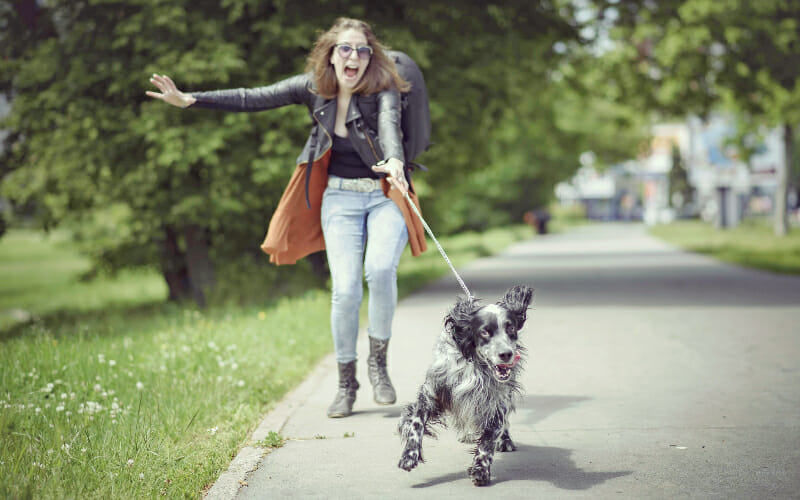
3. Owners wait until it is far too late to see if their dog will react possibly hoping that their dog won't react. Owners don't know what their dog's triggers are and have not learnt to anticipate them before it's too late. If your dog is getting riled up or over excited, your too close.
If you are not sure of your dogs reactions then you should be introducing him to new things, one at a time. If you know your dog is reactive to other dogs and you can't control him, GET HELP WITH YOUR TRAINING and in the meantime avoid going places where you know there will be other dogs around. By taking him to places with other dogs and allowing this behavior because you can't either control it, anticipate it or avoid it you are reinforcing his behaviour to other dogs which will make training him even harder.


Comments